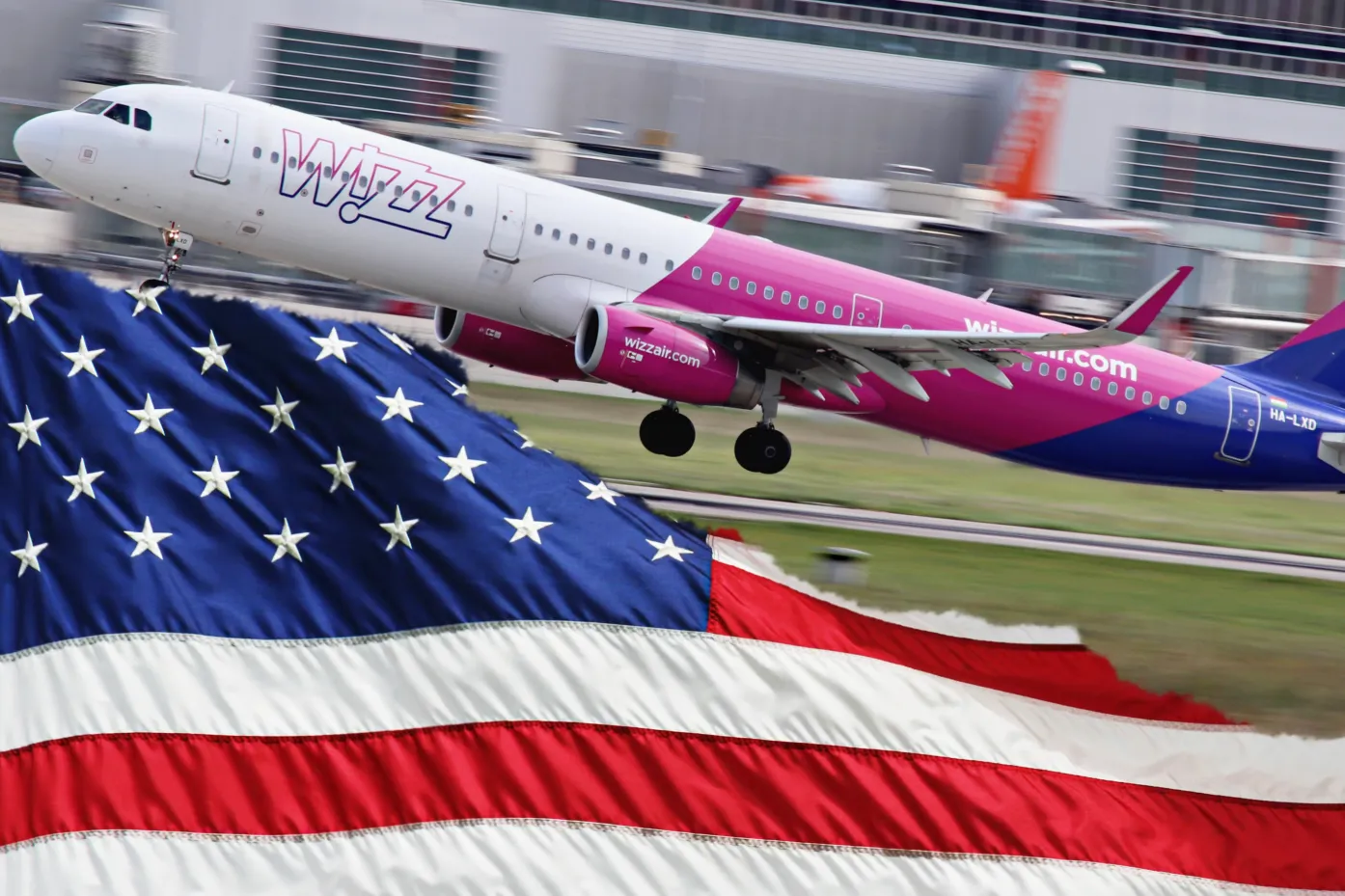

On the 26th of January, Wizz Air UK, a subsidiary of Hungarian low-cost carrier Wizz Air, applied to the US Department of Transportation for authority to operate passenger services to the US. While the airline has not issued any official press release, the application for an air carrier permit may signal an early shift in Wizz Air’s approach to ultra-low-cost long-haul operations.
However, over the past decade, numerous other airlines have tried and failed to operate low-cost transatlantic services. That said, Wizz Air’s aggressive cost-reduction strategy, established brand recognition, and access to new-generation narrowbody aircraft could give it a stronger chance of success.
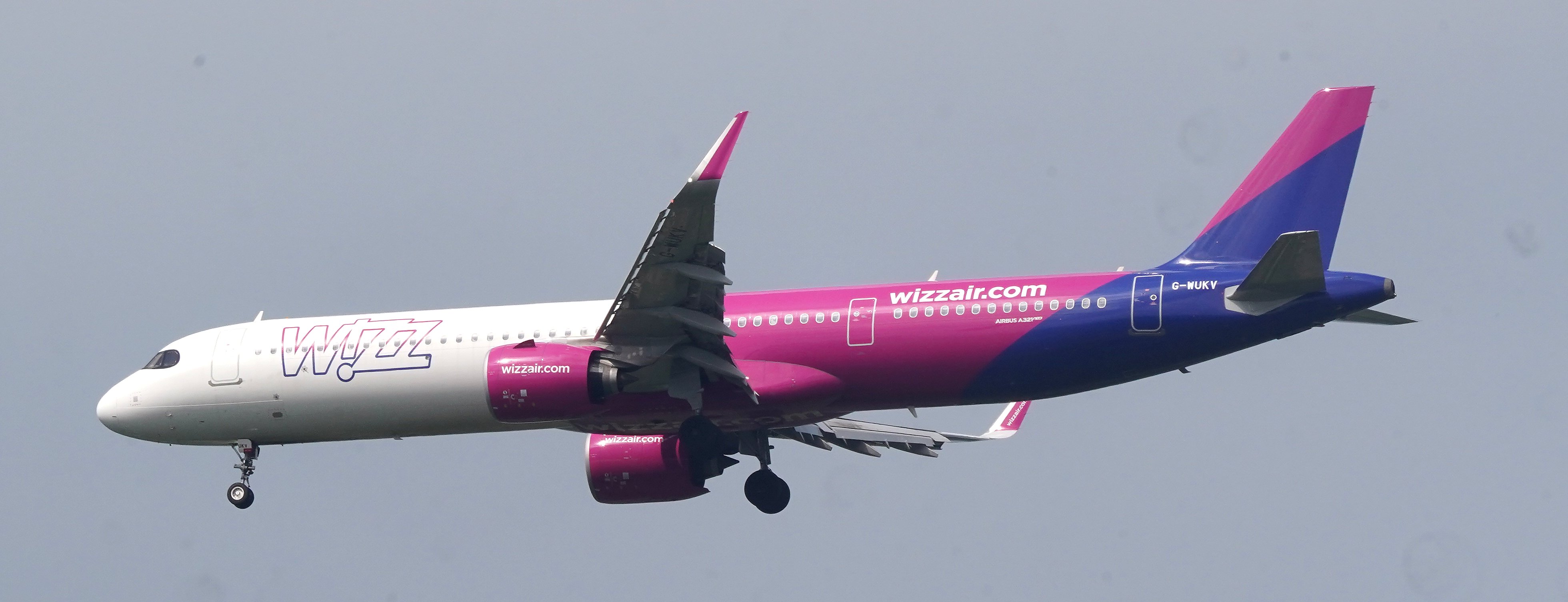
The risk of failure across the transatlantic is high
Low-cost transatlantic travel has had a long history of ambition but with limited success. Norwegian Long Haul operated services to the US from Europe until 2019, ceasing due to rising fuel costs and operational complexity. Primera Air collapsed in 2018 after its rapid expansion into the US market left it vulnerable to fluctuations in fuel prices and aircraft delivery delays.
Moving to Iceland, WOW Air followed a similar path, growing too aggressively before halting operations in 2019 amid mounting debt. More recently, PLAY Airlines adopted a more cautious approach, operating transatlantic services through Reykjavík with tighter cost controls; however, profitability remained low, and the airline stopped operating in 2025.
Collectively, these examples highlight how thin margins, long sector lengths, and operational disruption have challenged the low-cost long-haul model across the Atlantic.
.jpg)
Why Wizz Air might be different this time
Unlike earlier low-cost transatlantic attempts, Wizz Air could enter the US market with a materially different cost and fleet structure. Central to this is the Airbus A321XLR, an aircraft designed to make long, thin routes economically viable through lower fuel burn per seat, reduced crew costs, and simplified maintenance compared to widebody aircraft. However, following the closure of Wizz Air Abu Dhabi, orders for the aircraft have been reduced from 47 to just 11.
Wizz Air’s ultra-low-cost model is also more aggressive than those of its failed predecessors. The airline maintains one of the lowest costs in Europe, supported by high aircraft utilisation, dense seating configurations, and a heavily ancillary-driven revenue model. This allows Wizz Air to undercut competitors on price while protecting margins, a balance that WOW Air and Norwegian Long Haul struggled to sustain.
At present, there are no confirmed routes or firm indications that Wizz Air will go ahead with routes to the US. In 2024, group CEO József Váradi stated:
“We don’t want to be buried in the ocean, but that’s what happened to all the other airlines that have tried it. We have so many other opportunities, so I am not excited about the North Atlantic.”
However, the application for US operating authority allows strategic flexibility, including the option to operate charter flights for the upcoming 2026 FIFA World Cup. This cautious, lower-risk approach contrasts with the rapid expansion strategies that contributed to the collapse of earlier ventures.
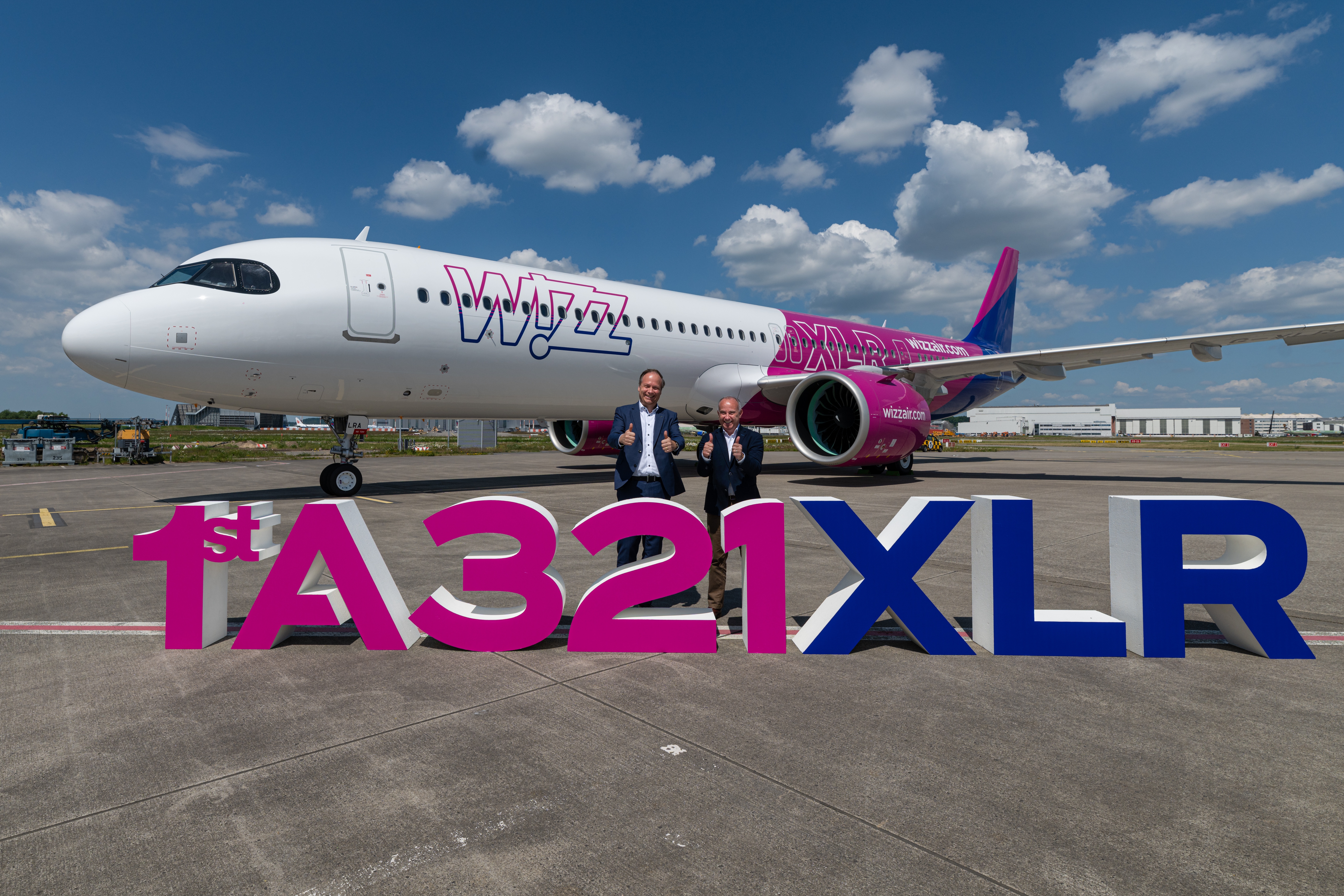
Whether Wizz Air ultimately decides to operate scheduled services to the US or not, the airline is in a stronger strategic position than many previous low-cost carriers that attempted the same move.
Despite reporting a third-quarter fiscal loss of €139 million, this represented a 42% year-on-year improvement, underscoring the airline’s ability to control costs and stabilise performance in a challenging market.
For now, the application appears to be less about an immediate transatlantic launch and more about preserving strategic opportunity, allowing Wizz Air to test demand cautiously rather than committing to a high-risk expansion, learning from their Wizz Air Abu Dhabi venture.
Have questions or want to share your thoughts?